
Creating a Tropical Garden for Nectar Feeders in the Wet Tropics and Mission Beach


Attracting Nectar Feeders to Your Mission Beach Garden
Creating a wildlife‑friendly garden in Mission Beach is incredibly rewarding, especially in a region where warm temperatures, high humidity and regular rainfall support lush, nectar‑rich tropical plants. By choosing species that thrive in the Wet Tropics, you can build a garden that attracts bees, butterflies, moths, sunbirds and other nectar feeders while adding vibrant colour and structure to your landscape.
Why Nectar Feeders Matter
Nectar feeders are essential to healthy tropical ecosystems. Bees and butterflies help pollinate fruit trees and ornamentals, while sunbirds and other nectar‑loving birds bring movement and life into the garden. Planting a variety of nectar‑producing species ensures a steady food supply throughout the year, supporting local wildlife and strengthening your garden’s natural resilience.
Top Tropical Plants for Nectar Feeders in Mission Beach
Many plants in our catalogue are perfectly suited to Mission Beach’s climate and offer abundant nectar, fragrance and seasonal colour.
Dombeya wallichii (Pink Ball Tree)
A standout winter‑flowering shrub with huge pink flower clusters that bees and butterflies flock to. It provides valuable nectar during the cooler months when other plants slow down.
Saraca species (Ashoka Tree)
Saraca trees produce masses of bright, nectar‑rich flowers that attract butterflies and other pollinators. Their colourful clusters and soft, spreading canopy make them ideal feature trees for tropical gardens.
Alexander Palms (Archontophoenix alexandrae)
While palms aren’t always thought of as nectar plants, Alexander Palms produce large, showy flower spikes that attract bees, native stingless bees and nectar‑feeding insects. They also provide habitat and structure in lush tropical landscapes and are endemic to our area.
Black Palms (Normanbya normanbyi)
A true Wet Tropics icon, the Black Palm produces nectar‑bearing flowers that support a range of insects and small wildlife. Its striking black crownshaft and elegant form add a strong architectural element to Mission Beach gardens.
Fishtail Palms (Caryota species)
Fishtail Palms produce long, cascading flower spikes rich in nectar. These blooms attract bees and other pollinators while the palm itself adds dramatic height and texture to the garden.
Aphelandras
Aphelandras offer bold, tropical foliage and bright, nectar‑rich flower spikes that draw in butterflies and sunbirds. They thrive in warm, humid conditions and are perfect for shaded or semi‑shaded garden areas.
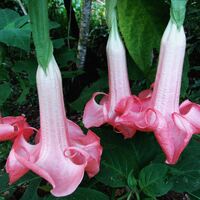
Brugsmasnsia
Brugsmansia are a favorite of our native bees and flower during winter when nectar from the rainforest is in short supply, they also have the most magnificent scent and flowers.
Cordylines
Cordylines are an easy to grow colorful foliage plant that flower in winter and are a favorite of native bees
Designing a Nectar‑Rich Tropical Garden
A successful nectar garden includes a mix of trees, shrubs and understory plants that flower at different times of year. This layered approach ensures continuous nectar availability and creates the lush, full look Mission Beach gardens are known for. Feature trees like Saraca and Dombeya provide height and seasonal colour, while palms add structure and habitat. Understory plants such as Aphelandras fill the lower layers with bright flowers and dense foliage.
Scented Plants for Added Appeal
Many nectar plants also offer natural fragrance, attracting night‑time pollinators like moths and adding a sensory element to your garden. Scented flowers create a welcoming atmosphere, especially in the warm, still evenings typical of the Wet Tropics.
Enhancing the Beauty of Wet Tropical Gardens
Nectar‑rich plants don’t just support wildlife—they also bring vibrant colour, dramatic foliage and year‑round interest to tropical landscapes. Their flowers, textures and forms help create the lush, abundant look that makes Mission Beach gardens so distinctive.
Bringing It All Together
By choosing tropical trees, palms, shrubs and understory plants from our catalogue, you can create a garden that thrives in Mission Beach’s warm, coastal climate while supporting the bees, butterflies and birds that make our region so special. With the right mix of nectar‑rich and scented plants, your garden becomes a living ecosystem filled with colour, fragrance and wildlife.