

Heliconia Trouble Shooting Guide for the Cassowary Coast, FNQ and SE Queensland
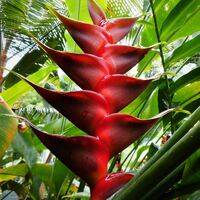

Heliconia Troubleshooting Guide
Common problems, causes and solutions for gardeners in the Cassowary Coast, Far North Queensland and South East Queensland
Heliconias are hardy and rewarding plants, but they can show stress when conditions are not quite right. Most issues relate to water, soil, light or seasonal changes. This guide helps you quickly diagnose common problems and apply simple, region‑appropriate solutions.
1. Yellowing Leaves
Likely causes:
- Natural ageing of older leaves
- Overwatering or poor drainage
- Nutrient deficiency
- Cold stress in SE QLD
Solutions:
- Remove only the oldest yellow leaves.
- Improve drainage with compost or raised beds.
- Apply a balanced slow‑release fertiliser and liquid seaweed.
- Protect plants from winter winds in SE QLD.
2. Browning or Crispy Leaf Edges
Likely causes:
- Too much direct afternoon sun
- Wind burn
- Underwatering
- Salt exposure in coastal gardens
Solutions:
- Provide shade from harsh afternoon sun.
- Protect plants from strong winds.
- Increase watering during dry periods.
- Mulch deeply to maintain soil moisture.
3. Leaves Tearing or Shredding
Likely causes:
- Strong winds
- Exposed planting position
Solutions:
- Plant in a sheltered microclimate.
- Use palms or shrubs as natural windbreaks.
- Trim damaged leaves; new growth will be clean.
4. Stunted Growth or Small Leaves
Likely causes:
- Poor soil quality
- Not enough water
- Too much shade
- Overcrowded rhizomes
Solutions:
- Improve soil with compost and organic matter.
- Water deeply and consistently.
- Increase light to morning sun or bright filtered light.
- Divide clumps every two to three years.
5. No Flowers or Poor Flowering
Likely causes:
- Too much shade
- Insufficient feeding
- Young plants still establishing
- Cold winters in SE QLD
- Variety not suited to your climate
Solutions:
- Increase light exposure.
- Feed with a balanced fertiliser and extra potassium.
- Allow 12 to 18 months for new clumps to mature.
- Choose cold‑tolerant varieties for SE QLD.
- Check variety suitability for your region.
6. Mushy Rhizomes or Rotting Stems
Likely causes:
- Waterlogging
- Poor drainage
- Planting too deep
Solutions:
- Improve drainage or raise the planting area.
- Reduce watering until new growth appears.
- Replant rhizomes at the correct depth.
- Use chunky mulch to keep soil aerated.
7. Pests (Aphids, Mealybugs, Grasshoppers)
Likely causes:
- Seasonal sap‑sucking insects
- Excess nitrogen causing soft growth
- Dry conditions attracting grasshoppers
Solutions:
- Hose off pests or use eco‑oil sprays.
- Reduce nitrogen and increase potassium.
- Encourage natural predators.
- Keep plants well watered.
8. Fungal Spots or Mildew
Likely causes:
- High humidity with poor airflow
- Overcrowded clumps
- Wet foliage overnight
Solutions:
- Thin clumps to improve airflow.
- Water early in the morning.
- Remove affected leaves.
- Use eco‑friendly fungicides if needed.
9. Cold Damage or Winter Dieback
Likely causes:
- Winter chill in SE QLD
- Sudden temperature drops
Solutions:
- Mulch heavily to insulate rhizomes.
- Cut back damaged canes in spring.
- Choose cold‑tolerant varieties.
- Plant in warm, protected microclimates.
Regional Notes
Cassowary Coast and FNQ:
Fast growth, strong flowering and minimal cold stress. Main issues include wind damage, wet‑season waterlogging and occasional fungal spots.
South East Queensland:
Slower winter growth and occasional cold damage. Main issues include low humidity, cold snaps and nutrient deficiencies.
Final Advice
Heliconias are resilient plants that recover quickly once the underlying issue is corrected. With rich soil, consistent moisture and a sheltered position, they thrive across the Cassowary Coast, FNQ and SE QLD. Most problems can be solved with simple adjustments to light, water, soil or airflow.