

Cordyline Care
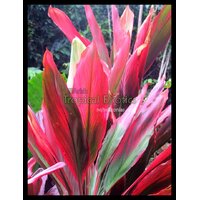

Cordyline fruticosa Care
El Arish Tropical Exotics
Cordyline fruticosa, also known as Ti Plant, is one of the most reliable and colourful foliage plants for tropical and subtropical gardens. It thrives in the warm, humid climates of Far North Queensland and South East Queensland, providing year‑round colour and structure in rainforest gardens, tropical landscapes, and shaded outdoor areas.
Ideal Growing Conditions
Light
- Best in bright shade or filtered light.
- Morning sun is suitable in both FNQ and SEQ.
- Avoid harsh afternoon sun, especially in FNQ during the wet season and in SEQ during summer heatwaves.
Soil
- Prefers free‑draining, organic‑rich soil.
- Avoid heavy clay or waterlogged areas.
- Mulch well to maintain moisture and mimic rainforest floor conditions.
Watering
- Enjoys consistent moisture but not standing water.
- FNQ: Natural rainfall is usually sufficient during the wet season.
- SEQ: Water regularly during dry spells and winter.
Fertilising
- Use a slow‑release tropical fertiliser two to three times per year.
- Supplement with liquid seaweed or fish emulsion for colour and root health.
- Avoid high‑nitrogen lawn fertilisers near cordylines, as they can cause leaf burn.
Pruning
- Remove old or damaged leaves to keep plants tidy.
- Cut back tall or leggy stems to encourage fresh, colourful new growth.
- Pruned stems can be used for propagation.
Propagation
Cordyline fruticosa is easy to propagate from:
- Stem cuttings
- Cane sections
- Growing tips
Allow cut surfaces to dry for 24 hours before planting into a free‑draining mix.
Common Problems and Solutions
(For FNQ and SEQ Conditions)
1. Leaf Spot (Fungal or Bacterial)
Symptoms: Brown or black spots, yellowing leaves, patchy discolouration.
More common in: FNQ during the wet season; SEQ during humid summer periods.
Causes:
- High humidity
- Poor airflow
- Overhead watering
- Old foliage left on the plant
Solutions:
- Remove affected leaves and dispose of them.
- Improve airflow by spacing plants appropriately.
- Water at the base, not over the foliage.
- Apply a copper‑based fungicide if the problem persists.
- Mulch to reduce soil splash during heavy rain.
2. Sunburn or Heat Stress
Symptoms: Bleached patches, crispy edges, faded colour.
More common in: SEQ during heatwaves; FNQ in exposed areas during the dry season.
Causes:
- Too much direct sun
- Sudden exposure after pruning overhead canopy
- Reflective heat from paving or walls
Solutions:
- Move potted plants to filtered light.
- Provide shade cloth during extreme heat.
- Increase mulch to keep roots cool.
- Water deeply during hot periods.
3. Root Rot
Symptoms: Sudden collapse, yellowing, mushy stems, foul smell at the base.
More common in: FNQ during prolonged wet periods; SEQ in poorly drained soils.
Causes:
- Waterlogged soil
- Poor drainage
- Planting too deep
Solutions:
- Improve drainage with raised beds or mounded soil.
- Avoid overwatering during wet periods.
- Remove affected plants and replant into fresh, well‑drained soil.
- Use coarse mulch rather than fine mulch.
4. Mealybugs and Scale
Symptoms: Sticky leaves, white cottony clusters, ants farming insects, distorted new growth.
Common in: Both FNQ and SEQ, especially in warm, sheltered areas.
Causes:
- Sap‑sucking insects
- Ant activity
- Overly lush growth from high‑nitrogen fertilisers
Solutions:
- Wipe pests off with a damp cloth or spray with horticultural oil.
- Control ants around the base of the plant.
- Avoid over‑fertilising.
- Improve airflow and reduce overcrowding.
5. Cold Damage (More relevant to SEQ)
Symptoms: Drooping leaves, blackened tips, slowed growth.
Causes:
- Winter cold snaps
- Exposure to frost in inland SEQ
Solutions:
- Plant in sheltered microclimates.
- Mulch heavily before winter.
- Avoid pruning in late autumn.
- Remove damaged leaves once warm weather returns.
6. Nutrient Deficiencies
Symptoms: Pale leaves, poor colour, slow growth.
Common in: Both FNQ and SEQ, especially in sandy soils.
Causes:
- Lack of trace elements
- Leaching from heavy rainfall
- Poor soil nutrition
Solutions:
- Apply a complete slow‑release fertiliser with trace elements.
- Use liquid seaweed monthly during the growing season.
- Add compost and organic matter to improve soil health.
Best Landscaping Uses
- Understory planting in rainforest gardens
- Colourful borders and pathways
- Feature plants in pots
- Poolside planting
- Tropical layering with heliconias, gingers, lipstick palms, and monsteras
- Shaded courtyard gardens
Summary
Cordyline fruticosa is one of the most dependable and colourful foliage plants for FNQ and SEQ gardens. With the right light, moisture, and soil conditions, it provides year‑round colour and structure. Most problems are easily managed with good airflow, appropriate watering, and regular maintenance.